

round wood bathroom mirror
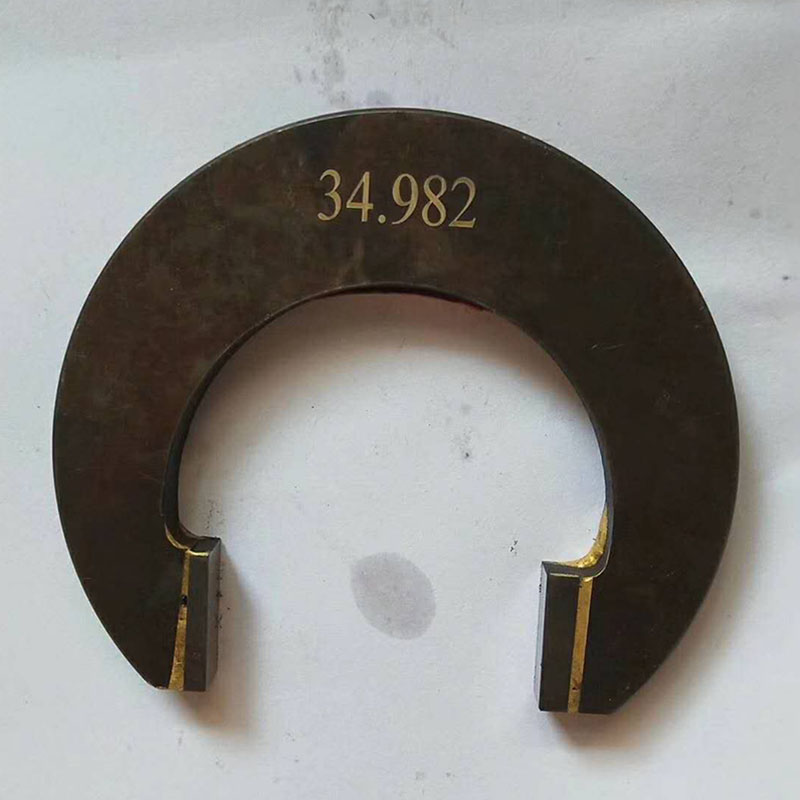
Understanding the No-Go Ring Gauge A Key Tool in Precision Engineering In the world of precision engineering and manufacturing, the No-Go ring gauge serves as a critical tool for quality control and dimensional accuracy. This specialized gauge is part of a broader family of measurement devices that engineers, machinists, and quality control inspectors use to ensure that manufactured components meet their specified tolerances. Understanding its function, design, and application is essential for anyone involved in manufacturing processes. What is a No-Go Ring Gauge? A No-Go ring gauge is a cylindrical device that is used to check the size of a shaft or external diameter of a workpiece. The term No-Go indicates that the gauge should not fit onto the part being measured if the part is within the specified tolerance. Essentially, it is a form of limit gauge that helps ascertain whether a manufactured component has exceeded its maximum allowable dimensions. How Does It Work? The No-Go ring is designed to be slightly larger than the maximum allowable dimension specified for the part being measured. For a proper fit to be achieved, the part must be inserted into the gauge. If the part fits into the No-Go gauge, it indicates that the part exceeds its allowable size, and thus, it is considered out of tolerance. Conversely, if the part does not fit, it is within specifications. This binary assessment simplifies the inspection process and allows for quick determinations concerning the acceptability of components. Construction and Calibration no go ring gage A No-Go ring gauge is typically made of high-quality tool steel or similar materials to ensure durability and long-term accuracy. The gauge is precision-engineered to ensure that it maintains its dimensional integrity over time, which is crucial in a manufacturing environment where tolerances can be very tight. Regular calibration of these gauges is essential to maintain their accuracy. Calibration ensures that the gauge continues to provide reliable measurements and remains effective in quality control processes. Typically, manufacturers follow strict procedures to check and recalibrate these gauges periodically based on industry standards. Application in Manufacturing The No-Go ring gauge is particularly valuable in industries where precision is critical, such as automotive, aerospace, and medical device manufacturing. For instance, in the production of engine components, a No-Go gauge might be employed to verify whether a shaft adheres to the specified diameter requirements. If the shaft is too large, it may not fit properly in its intended assembly, potentially leading to mechanical failures. The use of No-Go gauges also enhances overall efficiency in production by reducing the likelihood of defective parts proceeding through the manufacturing process. By catching out-of-tolerance components early, manufacturers can save on costs associated with rework and scrap. Conclusion In summary, the No-Go ring gauge is an essential instrument in precision engineering that plays a vital role in quality assurance. Its design allows for straightforward evaluation of manufactured components, ensuring they meet strict dimensional tolerances. By using this tool effectively, manufacturers can enhance production efficiency, reduce waste, and improve the overall quality of their products. Understanding and properly utilizing No-Go ring gauges is integral for anyone involved in the manufacturing process, reinforcing the importance of precision in modern engineering practices. As industries continue to evolve and demand higher standards, tools like the No-Go ring gauge will remain essential in the quest for quality and accuracy.
about
round wood bathroom mirror
Understanding Thread Plug Gauge Standards Thread plug gauges play a crucial role in ensuring the quality and accuracy of threaded components in various manufacturing and engineering applications. These gauges are specifically designed to check the dimensions and tolerances of internal threads in holes and are essential in conforming to various industry standards. This article delves into the significance of thread plug gauge standards, their classification, and their applications. What is a Thread Plug Gauge? A thread plug gauge is a specialized tool used to measure the pitch diameter and the effective diameter of internal threads in a workpiece. Unlike other measuring tools, thread plug gauges are precision instruments that provide either a go/no-go indication. This means they determine whether the tested internal thread is within specified tolerances without providing a numerical measurement. This simplifies the inspection process and enhances speed and efficiency in production environments. Importance of Standards Standards for thread plug gauges exist to ensure consistency, reliability, and quality across different manufacturers and industries. The main standards include the American National Standards Institute (ANSI), the International Organization for Standardization (ISO), and other region-specific guidelines. These standards define the dimensional tolerances, thread profiles, materials used, and the testing methods for thread plug gauges. Adhering to these standards offers several benefits 1. Quality Assurance Standardized gauges ensure that the threaded components fit correctly, function as intended, and maintain the integrity of assemblies. 2. Interchangeability Using standardized gauges allows components made by different manufacturers to be compatible, thus facilitating easier repairs and replacements. 3. Traceability Compliance with international standards provides a framework for tracing the quality and origin of the gauges, aiding in quality control processes. Types of Thread Plug Gauges thread plug gauge standard Thread plug gauges are generally classified into two categories 1. Go Gauges This type of gauge is used to check whether the internal thread is correctly formed and falls within the acceptable range of specifications. If the thread can accept the go gauge, it passes the inspection for acceptable dimensions. 2. No-Go Gauges These gauges are used to determine the upper limit of the internal thread dimensions. If the no-go gauge fits, it indicates that the thread has exceeded the maximum allowable limit and is deemed unacceptable. Applications of Thread Plug Gauges Thread plug gauges are extensively used in various industries, including automotive, aerospace, and general manufacturing. They serve in applications such as - Quality Control Employed during the production process to ensure that threaded components meet required specifications before they are used in assemblies. - Maintenance and Repairs Used in maintenance environments to verify the integrity of existing threaded connections and ensure that replacement parts can fit seamlessly. - Research and Development Thread plug gauges aid engineers in the design and prototype testing stages, where precision is critical. Conclusion Thread plug gauge standards are vital components in maintaining the quality and functionality of threaded components in multiple industries. By adhering to established standards, manufacturers can ensure product reliability, enhance compatibility, and ultimately improve customer satisfaction. Ensuring that thread plug gauges are accurately calibrated and compliant with industry standards is an essential practice that contributes to the overall success of manufacturing processes.
-

High quality industrial productsagement

High quality industrial products
View Details -

Meet the diverse needs of customers

Meet the diverse needs of customers
View Details -

Strict quality control

Strict quality control
View Details -

Top raw materials

Top raw materials
View Details -

Trusted supplier

Trusted supplier
View Details
Our application
news and information
Y Type Strainer Filters for Efficient Fluid Filtration Solutions
Understanding Y-Type Strainer Filters A Comprehensive Overview In various industrial applications, e
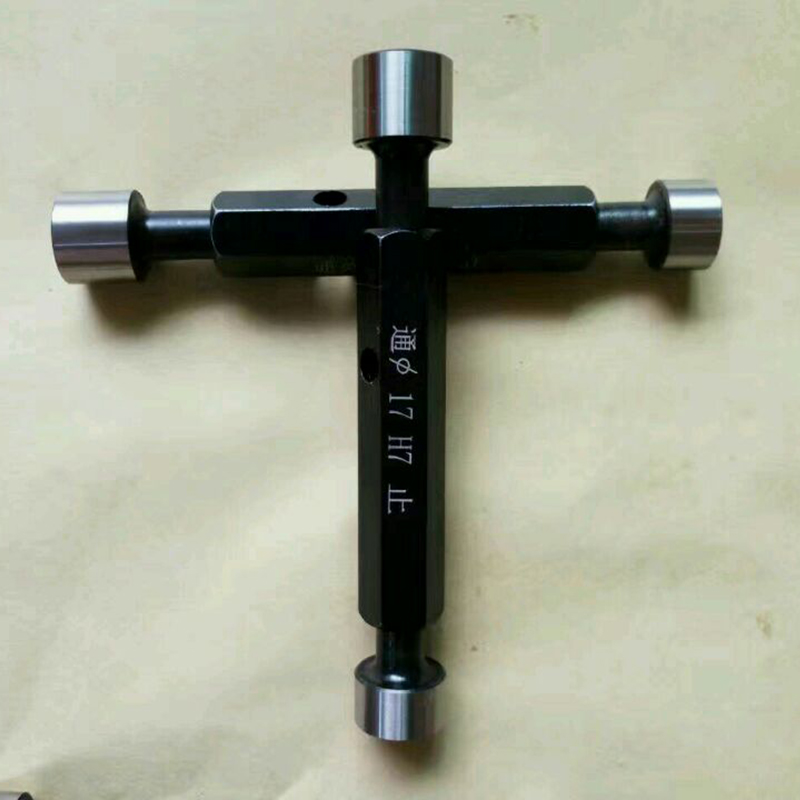
valve for sale
Understanding the Importance of Quality Valves for Sale Expert Insights For those heavily invested i
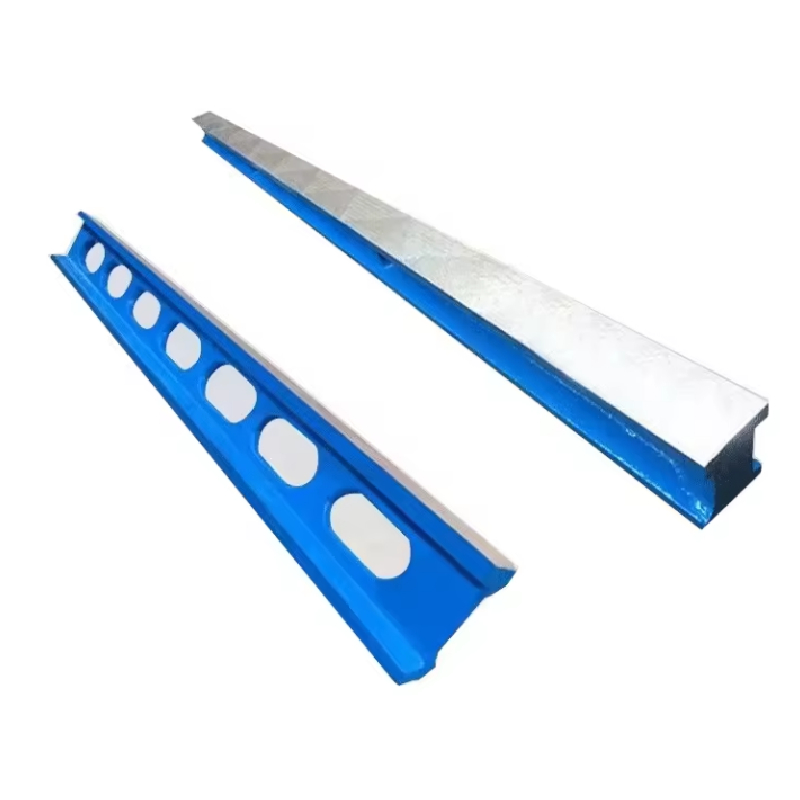
Versatile 3D Welding Table for Precision Fabrication and Efficient Workflow Solutions
The Advantages of a 3D Welding Table in Modern Fabrication In today’s fast-paced manufacturing envir
 English